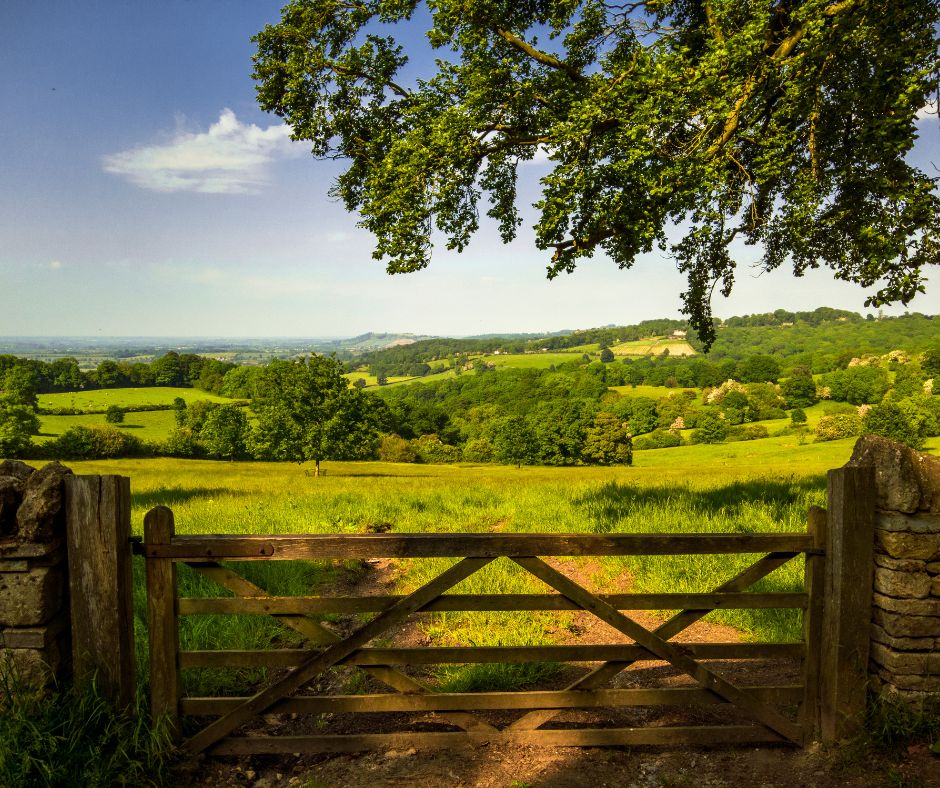
Explore History Near Lower Mill Estate
Key Takeaways
- Lower Mill Estate is an ideal base for exploring the Cotswolds' rich historical landscape, from Roman ruins to medieval market towns.
- Suggested 2 to 7 day itineraries allow you to experience the region's heritage at your own pace.
- Cirencester's Roman past is an essential highlight.
- This region features a remarkable concentration of historical sites within short driving distances, including UNESCO World Heritage Bath.
- Enjoy authentic dining experiences, from historic pubs to private chef services some recreating dishes from different eras.
- Engage with history through interactive experiences like historical scavenger hunts and guided walks available right at Lower Mill Estate.
Step back in time while enjoying modern luxury at Lower Mill Estate. This stunning Cotswold retreat doesn't just offer exceptional accommodation—it's also perfectly positioned for exploring some of Britain's most fascinating historical sites.
The Cotswolds' gentle rolling hills hide centuries of captivating stories, from Roman conquerors to medieval wool merchants and Industrial Revolution pioneers. Whether you have just a weekend or a full week to explore, we've crafted historically-focused itineraries that maximize your time and ensure you don't miss the most significant sites. Each route begins and ends at Lower Mill Estate, making your historical adventure both convenient and enriching.
The Rich Historical Tapestry Around Lower Mill Estate
Lower Mill Estate sits at the heart of an area steeped in fascinating history. From your doorstep, you can travel through multiple historical periods in just a short drive. The estate itself, nestled within the Cotswold Water Park, has its own industrial heritage dating back to when water-powered mills were the lifeblood of local industry.
What makes this location particularly special is its proximity to major historical centers while retaining its peaceful countryside character. You're never more than an hour from world-class historical attractions, yet surrounded by nature and tranquility when you return to your accommodation.
Roman Ruins and Ancient Settlements
The Romans left an indelible mark on this region nearly 2,000 years ago. Just a short drive from Lower Mill Estate lies Cirencester, once Corinium Dobunnorum—the second largest Roman settlement in Britain after London. Its impressive amphitheater earthworks still stand, and the award-winning Corinium Museum houses one of the finest collections of Roman artifacts in the country.
Venture a bit further to discover Chedworth Roman Villa, one of Britain's most complete Roman villas with exquisite mosaics and bathhouse remains. Archaeological evidence suggests Roman influence throughout the Cotswold region, with roads, settlements, and farming practices that shaped the landscape we see today.
Even closer to the estate, recent archaeological work within the Cotswold Water Park has revealed evidence of prehistoric settlements dating back to the Bronze Age, showing human activity in this landscape long before written records began.
Medieval Market Towns and Villages
The medieval period brought prosperity to the Cotswolds through the wool trade. The region's distinctive honey-colored stone buildings, market squares, and magnificent "wool churches" date primarily from this golden age of commerce between the 13th and 15th centuries.
Tetbury, with its pillared Market House dating from 1655, offers a wonderfully preserved example of a thriving wool town. Nearby Malmesbury claims to be England's oldest borough, with a magnificent 12th-century abbey and medieval streets that have changed little over centuries.
The market town of Cirencester, just minutes from Lower Mill Estate, features the imposing Parish Church of St. John Baptist, one of the finest wool churches in the country. Its perpendicular Gothic architecture and fan-vaulted south porch speak to the immense wealth generated by medieval wool merchants.
Industrial Heritage of the Cotswolds
The Industrial Revolution transformed the Cotswolds in subtler ways than other parts of Britain. Water-powered mills along the region's many streams processed wool, grain, and later paper and textiles. The very name "Lower Mill Estate" hints at this industrial past, with the development built around a former mill site.
Evidence of industrial heritage can be spotted throughout nearby towns. The Thames and Severn Canal, parts of which pass close to Lower Mill Estate, represents an ambitious 18th-century engineering project designed to link London to the industrial Midlands.
In Stroud, known as the "Cotswold capital of textiles," former mill buildings have been repurposed as shops, restaurants, and cultural spaces. These stone structures with their distinctive tall windows tell the story of the region's transition from medieval handicrafts to early industrial production.
Stately Homes and Gardens With Stories to Tell
The Cotswolds' fertile landscape and strategic location attracted wealth and power through the ages. Grand country estates dot the countryside, each with fascinating histories and often spectacular gardens. Blenheim Palace, the birthplace of Winston Churchill and a UNESCO World Heritage Site, lies within easy reach of Lower Mill Estate.
Closer still, the Bathurst Estate in Cirencester has been home to the Earls Bathurst since 1695. Its parkland, designed with input from the renowned Alexander Pope, offers beautiful walks with historical interest. At Rodmarton Manor, you'll find a perfect example of an Arts and Crafts movement house, built between 1909 and 1929 using traditional local craftsmanship.
These grand estates not only showcase architectural trends through the centuries but also tell stories of the families who shaped local history and, in many cases, national events. Their gardens often preserve historical designs, from formal Tudor knot gardens to sweeping Capability Brown landscapes.
2-Day Historical Whirlwind: See The Best Highlights
Only have a weekend to explore? Don't worry. This packed two-day itinerary focuses on the most impressive historical sites within easy reach of Lower Mill Estate. You'll experience both Roman and medieval highlights without feeling rushed, returning each evening to the comfort of your accommodation.
Day 1: Cirencester's Roman Past and Medieval Charm
Morning: Begin at the Corinium Museum (10-minute drive from Lower Mill Estate) to understand the significance of Roman Cirencester. Allow 2 hours to explore its impressive mosaics, sculptures, and interactive displays.
Lunch: Enjoy a meal at The Black Horse on Castle Street, a historic inn serving excellent traditional fare in a building with medieval elements.
Afternoon: Take a guided or self-guided walking tour of Roman Cirencester, visiting the amphitheater remains and the Parish Church of St. John Baptist to contrast Roman and medieval grandeur.
Start your historical journey where the Romans made their mark. The Corinium Museum's recently renovated galleries bring Roman Britain to life through interactive displays and remarkable artifacts. Don't miss the Jupiter Column and the stunning mosaics that once adorned the floors of local villas.
After lunch, follow in Roman footsteps at the amphitheater. Though now grassy earthworks, this structure once hosted gladiatorial contests for up to 8,000 spectators. The short walk from town center to amphitheater roughly follows the line of the Roman walls that once protected this important settlement.
End your day with a visit to Cirencester's parish church, often called the "Cathedral of the Cotswolds" due to its impressive size and beauty. Its soaring perpendicular Gothic architecture was funded by wealthy medieval wool merchants. Look for the elaborate tombs and brass rubbings that tell stories of the town's most prominent citizens.
Day 2: Tetbury and Malmesbury Abbey
Begin your second day with a drive to charming Tetbury (25 minutes from Lower Mill Estate). This quintessential Cotswold town preserves its medieval street pattern and many 16th and 17th-century merchant houses. The pillared Market House, built in 1655, stands as testimony to the town's importance in the wool trade.
Wander along the picturesque Chipping Steps, a steep cobbled street where wool was once traded and weighed. The Police Museum housed in the Victorian police station offers a fascinating glimpse into more recent history. Don't miss St. Mary's Church, whose elegant spire has dominated the townscape since the 18th century.
After lunch, continue to Malmesbury (15 minutes from Tetbury), England's oldest borough with a charter dating to the late 9th century. The magnificent 12th-century Abbey dominates the town center. Though partly in ruins following the Dissolution of the Monasteries under Henry VIII, enough remains to appreciate its Norman architectural grandeur.
Morning: Explore historic Tetbury with its Market House, Chipping Steps, and St. Mary's Church. The Tetbury Police Museum offers an interesting glimpse into Victorian law enforcement.
Lunch: The Snooty Fox on the Market Place occupies a 16th-century building and serves excellent local cuisine.
Afternoon: Visit Malmesbury Abbey and the adjoining Abbey House Gardens, then explore the medieval streets of England's oldest borough.
Inside the Abbey, find the tomb of King Athelstan, the first king to unite England, and learn about the remarkable Eilmer, a monk who attempted to fly using homemade wings in the 11th century. The adjacent Abbey House Gardens, while more recent, are set within the former abbey grounds and offer beautiful views of the remaining abbey architecture. For more information on activities in the area, check out things to do in Cotswolds.
Where to Eat During Your 2-Day Trip
The Cotswolds excels in historical dining experiences. In Cirencester, The Black Horse on Castle Street occupies a building with 17th-century elements and serves hearty British classics. For something special, book a table at The Fleece, a coaching inn dating from the 17th century that combines historical character with contemporary cuisine focusing on seasonal local ingredients.
In Tetbury, The Snooty Fox occupies a gorgeous 16th-century building and offers both traditional pub fare and more refined dining options. Alternatively, try The Close Restaurant, housed in a 16th-century townhouse with original features and serving modern British cuisine with European influences.
For a truly immersive experience, Revigorate can arrange a private chef to create a historically-inspired meal in your Lower Mill Estate accommodation, using traditional Cotswold recipes and cooking techniques but with contemporary refinements.
3-Day History Explorer Itinerary
With three days at your disposal, you can delve deeper into the Cotswolds' rich historical tapestry while still maintaining a relaxed pace. This carefully crafted itinerary balances must-see historical attractions with time to absorb the unique atmosphere of this ancient landscape.
Day 1: Cirencester and the Corinium Museum
Begin your three-day historical journey with a thorough exploration of Cirencester, just 15 minutes from Lower Mill Estate. Known as Corinium Dobunnorum in Roman times, this was the second-largest town in Roman Britain. The award-winning Corinium Museum houses one of Britain's most significant collections of Roman artifacts, including stunning mosaics, detailed sculptures, and everyday items that bring Roman life into vivid focus.
After lunch, take a guided walking tour of the town to discover its Roman foundations. See the massive earthwork remains of one of Britain's largest Roman amphitheaters, explore the outline of the Roman walls, and visit the tranquil Abbey Grounds built on the site of a medieval abbey. Complete your day with a visit to the Church of St. John Baptist, whose magnificent perpendicular Gothic architecture was funded by wealthy medieval wool merchants.
Return to Lower Mill Estate in the evening and perhaps enjoy a sunset walk around the lakes, reflecting on how this landscape has been shaped by human history from Roman times through the medieval wool trade to modern conservation efforts. For more insights, explore things to do in Cotswolds that highlight the region's rich history and activities.
Day 2: Bath's Georgian Splendor and Roman Baths
Day two takes you to the UNESCO World Heritage city of Bath, approximately one hour's drive from Lower Mill Estate. Founded by the Romans around natural hot springs, Bath (or Aquae Sulis) later became a fashionable Georgian spa town. Begin at the magnificent Roman Baths, one of the most remarkable Roman remains in Britain. The Great Bath, still filled with steaming water, offers an evocative glimpse into Roman leisure culture.
After lunch, explore Bath's stunning Georgian architecture. The Royal Crescent and the Circus showcase the elegant town planning and classical proportions that made Bath a model of Enlightenment-era urban design. Visit Bath Abbey, with its magnificent fan vaulting, and the Assembly Rooms where fashionable society gathered for balls and social events in Jane Austen's era.
For those interested in literary history, the Jane Austen Centre provides insight into the author's time in Bath and how the city influenced her novels Northanger Abbey and Persuasion. Return to Lower Mill Estate in the evening, perhaps stopping in a traditional Cotswold pub for dinner on the way back.
Day 3: Castle Combe and Lacock Abbey
Your final day explores two of the Cotswolds' most historically intact settlements. Begin with Castle Combe, often voted England's prettiest village and frequently used as a film location for period dramas. The absence of visible modern development makes it easy to imagine yourself in medieval England as you wander past the market cross and along the stream where fulling mills once processed wool.
The afternoon takes you to Lacock, a village owned almost entirely by the National Trust and preserved as it looked in the 18th century. Explore Lacock Abbey, founded as a nunnery in the 13th century and later converted into a Tudor family home. The abbey is also significant in the history of photography—it was here that William Henry Fox Talbot created the world's first photographic negative in 1835.
Lacock's perfectly preserved medieval and 18th-century streets have served as filming locations for productions including Harry Potter, Pride and Prejudice, and Downton Abbey. After exploring the village, return to Lower Mill Estate to relax and perhaps enjoy a final dinner prepared by a private chef specializing in historical Cotswold cuisine.
Dining Options for History Lovers
For history enthusiasts, dining in centuries-old establishments enhances the experience of stepping back in time. In Cirencester, The Black Horse occupies a 17th-century building and serves traditional British fare with modern flair. The Bear Inn, dating from 1432, offers one of the most authentic historical dining atmospheres in the town.
In Bath, the Pump Room Restaurant allows you to dine in Georgian splendor while a trio plays classical music—just as visitors did in Jane Austen's day. For a more casual historical experience, try Sally Lunn's Historic Eating House, located in one of Bath's oldest buildings and famous for its traditional buns based on a recipe dating to 1680. For more activities in the area, check out things to do in Cotswolds.
Near Castle Combe, The White Hart offers excellent dining in a 16th-century coaching inn. In Lacock, The George Inn has been serving travelers since 1361. Its original timber beams, stone floors, and huge inglenook fireplaces create an authentically medieval atmosphere while you enjoy contemporary British cuisine emphasizing local, seasonal ingredients.
| Location | Historic Restaurant | Period | Specialty |
|---|---|---|---|
| Cirencester | The Bear Inn | 15th Century | Traditional pies and local ales |
| Bath | Sally Lunn's | 17th Century | Historic Bath buns |
| Lacock | The George Inn | 14th Century | Medieval-inspired feasts |
| Castle Combe | The White Hart | 16th Century | Game and local trout |
For a truly special experience, Revigorate can arrange a private dining experience at your Lower Mill Estate accommodation with a local chef who specializes in recreating dishes from different historical periods, from Roman feasts to Georgian banquets.
4-Day Deep Dive into Cotswold Heritage
Four days gives you the perfect amount of time to explore further afield while maintaining a comfortable pace. This itinerary expands your historical horizons to include magnificent cathedrals, imposing castles, and additional Roman sites that tell the story of Britain's rich past.
Day 1: Cirencester and Chedworth Roman Villa
Start with Cirencester's Roman heritage at the Corinium Museum, where interactive exhibits and stunning artifacts bring Roman Britain vividly to life. After exploring the town's amphitheater and medieval church, take a scenic 20-minute drive through rolling Cotswold countryside to Chedworth Roman Villa.
This National Trust property showcases one of Britain's largest and best-preserved Roman villas. Discovered by a gamekeeper in 1864, the site reveals the luxurious lifestyle of wealthy Romano-British citizens. Marvel at the sophisticated hypocaust (underfloor heating) system, intricate mosaics, and the bath house complex. The site museum displays artifacts found during excavations, including jewelry, coins, and household items.
On your return to Lower Mill Estate, consider stopping at the source of the Thames at Kemble for a short walk to see where England's most famous river begins its journey—a spot revered since pre-Roman times.
Day 2: Bath's UNESCO World Heritage Sites
Dedicate a full day to Bath's extraordinary historical riches. Begin with the Roman Baths and Temple complex, allowing plenty of time to explore the extensive remains and excellent museum. Visit the adjacent Bath Abbey, a masterpiece of Perpendicular Gothic architecture built on the site of an Anglo-Saxon monastery.
After lunch, explore the city's Georgian architectural splendors. Take a guided walking tour to appreciate the Royal Crescent, the Circus, Pulteney Bridge, and other highlights of 18th-century urban design. The Fashion Museum showcases period costumes from the Georgian era to the present day, helping you visualize the people who once promenaded through Bath's elegant streets.
Before returning to Lower Mill Estate, consider visiting the Herschel Museum of Astronomy, dedicated to William Herschel who discovered the planet Uranus from the garden of his Bath home in 1781—a reminder that history encompasses scientific as well as architectural and political developments.
Day 3: Gloucester Cathedral and Docks
Today's journey takes you to Gloucester, approximately 30 minutes from Lower Mill Estate. Begin at the magnificent cathedral, one of the finest medieval buildings in England. Its soaring Gothic architecture includes the earliest example of English Perpendicular style and a magnificent fan-vaulted cloister that Harry Potter fans may recognize as Hogwarts corridors.
The cathedral tells England's story through the ages: from the tomb of Edward II to Civil War damage, from medieval pilgrimage to Victorian restoration. Take a guided tour to fully appreciate its historical and architectural significance, and don't miss the Great East Window—at 72 feet tall, it was once the largest window in the world.
In the afternoon, explore Gloucester's historic docks, the most inland port in Britain. The Victorian warehouses have been beautifully restored and now house museums, shops, and restaurants. The National Waterways Museum tells the story of Britain's canal age, while the Soldiers of Gloucestershire Museum covers local military history from the 17th century to the present day.
Day 4: Berkeley Castle and Tewkesbury
Your final day explores two significant medieval sites. Berkeley Castle, approximately 45 minutes from Lower Mill Estate, has been inhabited by the same family for over 900 years—making it one of Britain's oldest continuously occupied castles. This formidable fortress is infamous as the site where Edward II met his grisly end in 1327. Tour the medieval kitchens, the Great Hall with its minstrels' gallery, and the beautiful terraced gardens.
In the afternoon, visit Tewkesbury, whose magnificent abbey survived Henry VIII's Dissolution of the Monasteries because townspeople bought it to use as their parish church. The abbey's Norman tower is one of the finest in England, and the interior contains fascinating medieval tombs, misericords, and stained glass.
Tewkesbury itself preserves its medieval street pattern and many timber-framed buildings. Learn about the decisive Battle of Tewkesbury (1471) which helped determine the outcome of the Wars of the Roses. Before returning to Lower Mill Estate, take time to wander the town's ancient alleyways and perhaps visit the John Moore Museum, housed in a row of 15th-century timber-framed buildings.
Best Restaurants for Your 4-Day Adventure
For a truly memorable culinary experience that complements your historical explorations, try these establishments that combine historical settings with excellent cuisine:
- In Cirencester, The Malt & Anchor offers award-winning fish and chips in a beautifully renovated 18th-century building.
- Near Chedworth, The Seven Tuns in Chedworth village occupies a 17th-century stone building and specializes in seasonal Cotswold produce.
- In Bath, The Scallop Shell serves outstanding seafood in a Georgian townhouse setting.
- In Gloucester, Bearlands bistro occupies a 15th-century merchant's house with original features including a magnificent fireplace.
- Near Berkeley Castle, The Farmer's Boy Inn is a 17th-century coaching inn known for its award-winning pies.
- In Tewkesbury, My Great Grandfather's Restaurant is housed in one of the town's oldest buildings and offers British classics with modern flair.
For special occasions, consider The Dining Room at Whatley Manor (near Malmesbury) or Le Champignon Sauvage in Cheltenham. Though these restaurants occupy historic buildings, their innovative cuisine is thoroughly contemporary, providing an interesting contrast to your historical explorations.
5-Day Leisurely History Tour
Five days offers the perfect balance between comprehensive exploration and relaxation. This carefully paced itinerary allows you to immerse yourself in the Cotswolds' rich history while still enjoying downtime at Lower Mill Estate's excellent facilities.
By spreading your adventures over five days, you'll avoid the rushed feeling that can come with shorter itineraries while exploring a broader range of historical periods—from prehistoric standing stones to grand Tudor and Georgian architecture.
Day 1: Lower Mill Estate and Cotswold Water Park History
Begin your historical journey close to home by exploring the fascinating industrial heritage and natural history of the Cotswold Water Park area. Once a landscape of shallow lakes created by glacial deposits, this region became an important source of gravel extraction in the 20th century, creating the network of lakes we see today. Before that, evidence shows continuous human habitation dating back to prehistoric times.
Start with the Gateway Information Centre to learn about the park's historical development and the archaeological discoveries made during gravel extraction. Recent finds include Roman artifacts, medieval settlements, and even Bronze Age burial sites. Take a guided walk around Cleveland Lakes Nature Reserve, where information boards explain both the natural and human history of this evolving landscape.
In the afternoon, visit the remains of the old mill that gives Lower Mill Estate its name. Though mostly repurposed into modern accommodation, elements of the original industrial structure can still be seen. End your first day with a sunset cruise on one of the lakes, where your guide can point out historical features in the landscape not easily visible from shore.
Day 2: Cirencester and North Cotswolds Villages
Dedicate your second day to exploring Cirencester and the quintessential North Cotswolds villages. Begin at the Corinium Museum to understand the region's Roman significance, then take a walking tour of Cirencester's historical highlights, including the amphitheater, Church of St. John Baptist, and the medieval Abbey grounds.
In the afternoon, drive through the picturesque countryside to Bibury, described by William Morris as "the most beautiful village in England." The 14th-century weavers' cottages of Arlington Row, originally built as a monastic wool store, provide one of the Cotswolds' most iconic views. Continue to Burford, whose high street slopes down to a medieval bridge crossing the River Windrush. The town's prosperity from the medieval wool trade is evident in its impressive church and the grand merchant houses lining the main street.
Return to Lower Mill Estate via Northleach, stopping to visit the Church of St Peter and St Paul, one of the finest examples of a Cotswold "wool church" with magnificent brasses commemorating local merchants. The nearby Old Prison, built in 1792, now houses the Rural Life Museum and offers a fascinating glimpse into more recent Cotswold history.
Day 3: Blenheim Palace and Woodstock
Your third day takes you to Blenheim Palace, a UNESCO World Heritage Site and birthplace of Sir Winston Churchill. This magnificent country house, built in the rare English Baroque style, was a gift from Queen Anne to the 1st Duke of Marlborough following his military victories against the French. The palace tour reveals sumptuous state rooms filled with priceless collections of portraits, furniture, tapestries, and porcelain.
Take time to explore the extensive landscaped grounds, designed by Capability Brown in the natural English landscape style. The formal gardens, including the Italian Garden and the Secret Garden, showcase different historical approaches to garden design. Don't miss the Churchill Exhibition, which explores the life of Britain's wartime leader and his deep connection to Blenheim.
In the afternoon, visit the charming town of Woodstock, which grew up around the royal hunting lodge that preceded Blenheim Palace. Its streets are lined with attractive period buildings housing antique shops, art galleries, and cafés. The Oxfordshire Museum, housed in a beautiful 16th-century house, tells the county's story from dinosaurs to the present day, with particularly good exhibits on the local stone industry and traditional crafts.
Day 4: Stonehenge and Avebury Stone Circles
Day four ventures slightly further afield to explore Britain's prehistoric heritage. Start with an early drive to Stonehenge (about 1.5 hours from Lower Mill Estate) to experience this iconic monument before the crowds arrive. The sophisticated visitor center provides essential context for understanding this mysterious stone circle, built between 3000 and 2000 BCE. Audioguides and exhibition displays explain the latest archaeological theories about who built Stonehenge and why.
After lunch, continue to Avebury (approximately 45 minutes from Stonehenge), which contains the largest prehistoric stone circle in Europe. Unlike Stonehenge, Avebury allows visitors to walk freely among the stones, creating a more intimate connection with our ancient past. The Alexander Keiller Museum displays archaeological finds from the site and explains the monument's discovery and restoration in the early 20th century.
Before returning to Lower Mill Estate, visit nearby Silbury Hill, the largest prehistoric man-made mound in Europe, and West Kennet Long Barrow, an accessible Neolithic tomb dating from around 3650 BCE. These extraordinary monuments, all within walking distance of each other, provide a powerful reminder of the sophisticated culture that existed in Britain thousands of years before written records began.
Day 5: Oxford's Historic Colleges
Complete your historical journey with a visit to Oxford, "the city of dreaming spires" and home to one of the world's oldest universities. Just 45 minutes from Lower Mill Estate, Oxford offers an unparalleled concentration of historic buildings spanning nearly a thousand years. Begin with a walking tour of the central university area, taking in iconic sights such as the Radcliffe Camera, Bodleian Library, Sheldonian Theatre, and the Bridge of Sighs.
Visit several of the historic colleges that make up the university. Christ Church, with its magnificent Tom Quad and cathedral-sized chapel, offers insights into both ecclesiastical and academic history. New College, despite its name, was founded in 1379 and features medieval cloisters and a city wall dating from the 13th century. Magdalen College boasts a beautiful riverside setting, a medieval deer park, and a tower from which choristers sing on May Morning in a tradition dating back centuries.
In the afternoon, explore the Ashmolean Museum, the world's first university museum, housing extraordinary collections ranging from Egyptian mummies to Pre-Raphaelite paintings. Alternatively, visit the Oxford Castle & Prison to discover the city's Norman origins and its later role as a county jail. Return to Lower Mill Estate in the evening for a final dinner reflecting on your five-day historical odyssey through the heart of England.
Where to Eat During Your 5-Day Journey
The Cotswolds and surrounding areas offer exceptional dining experiences in historic settings. In Cirencester, try Jesse's Bistro, housed in a 17th-century weaver's cottage, or The Fleece, a coaching inn dating from 1651. In Burford, The Highway Inn combines 15th-century architecture with contemporary British cuisine focusing on local ingredients.
Near Blenheim Palace, The Star Inn at Woodstock occupies a 13th-century building and serves traditional pub classics elevated with modern techniques. The King's Head, also in Woodstock, dates from the 16th century and offers a menu that changes with the seasons.
After visiting Avebury, The Red Lion—the only pub in the world inside a stone circle—serves hearty meals in a building dating from the 1600s. In Oxford, try The Turf Tavern, hidden down a narrow alleyway and frequented by students and professors for over 800 years, or The Eagle and Child, where J.R.R. Tolkien and C.S. Lewis met regularly with their literary group, the Inklings.
7-Day Complete Historical Immersion
With a full week at your disposal, you can truly do justice to the extraordinary historical riches surrounding Lower Mill Estate. This comprehensive itinerary covers everything from Roman remains to Shakespeare's birthplace, from prehistoric stone circles to grand palaces, all at a comfortable pace that allows time for relaxation and reflection.
Day 1: Settle in at Lower Mill Estate
Begin your week with a gentle introduction to Lower Mill Estate and its immediate surroundings. Take time to settle into your accommodation and explore the estate's facilities. In the afternoon, join a guided nature walk that highlights both the natural features and human history of the Cotswold Water Park area, from prehistoric settlements to more recent industrial heritage.
Visit the Gateway Information Centre to gain context about this unique landscape—once a quarried industrial area, now transformed into a haven for wildlife and recreation. In the evening, enjoy dinner at one of the excellent local pubs, many of which occupy buildings with centuries of history. The Wild Duck Inn at Ewen, just minutes from Lower Mill Estate, dates from the 16th century and combines historical atmosphere with excellent contemporary British cuisine.
Day 2: Cirencester and Local Roman Heritage
Devote your second day to exploring Cirencester's impressive Roman heritage. Begin at the Corinium Museum, whose recently renovated galleries offer one of Britain's finest collections of Romano-British artifacts. The museum's interactive displays and remarkable mosaics provide essential context for understanding how the Romans transformed British society during their 400-year occupation. For more activities in the area, check out this guide on things to do in Cotswolds.
After lunch in one of Cirencester's historic inns, take a guided walking tour of the town to discover its Roman foundations. Visit the amphitheater, once capable of seating 8,000 spectators, and now the most substantial Roman earthwork in Britain. Explore the peaceful Abbey Grounds, built on the site of an Augustinian abbey founded in 1117, and visit the Church of St John Baptist to see how medieval wealth built upon Roman foundations.
In the late afternoon, drive to Chedworth Roman Villa (20 minutes from Cirencester), one of Britain's largest and best-preserved Roman villas. The site's mosaics, bathhouses, and hypocaust heating system demonstrate the sophisticated lifestyle enjoyed by wealthy Romano-British citizens. Return to Lower Mill Estate for dinner, perhaps prepared by a private chef specializing in Roman-inspired cuisine using ingredients available in Britain during the Roman period.
Day 3: Bath's Georgian and Roman Treasures
Today's excursion takes you to the UNESCO World Heritage city of Bath. Begin with the magnificent Roman Baths, one of the most remarkable and complete Roman sites in Northern Europe. The extensive remains include the Great Bath, the Temple of Sulis Minerva, and numerous artifacts that illustrate both public and private aspects of Roman life. The excellent museum displays bring this ancient spa town vividly to life.
After lunch, explore Bath's Georgian splendor—the elegant crescents, squares, and terraces that made Bath the height of fashion in the 18th century. Visit the Assembly Rooms where Jane Austen's characters would have danced, and No. 1 Royal Crescent, a perfectly preserved Georgian townhouse that shows how the wealthy lived during Bath's heyday. Bath Abbey, with its magnificent fan vaulting, demonstrates the continuity of religious life from medieval times to the present day.
For those interested in literary connections, the Jane Austen Centre explores the author's time in Bath and how the city influenced her novels. Before returning to Lower Mill Estate, consider taking the waters at the Thermae Bath Spa—a modern facility that allows you to bathe in the naturally warm, mineral-rich waters just as the Romans and Georgians did, creating a unique connection across millennia of history.
Day 4: Blenheim Palace and the Churchill Legacy
Dedicate your fourth day to exploring Blenheim Palace, the only non-royal, non-episcopal country house in England to hold the title of palace. This magnificent building, set in 2,000 acres of landscaped parkland, was a gift from Queen Anne to John Churchill, 1st Duke of Marlborough, following his victory at the Battle of Blenheim in 1704.
Take a comprehensive tour of the palace interior, whose splendid state rooms house collections of paintings, tapestries, and furniture of international importance. The Churchill Exhibition explores the life of Sir Winston Churchill, who was born at Blenheim in 1874 and maintained a lifelong connection to his ancestral home. The palace archives hold letters and documents that illuminate both family history and significant moments in British political life.
In the afternoon, explore the extensive grounds designed by Capability Brown, whose naturalistic approach revolutionized English landscape design in the 18th century. The formal gardens, including the Italian Garden and the Secret Garden, showcase different historical approaches to garden design. Before returning to Lower Mill Estate, visit the charming town of Woodstock, which grew up around the royal hunting lodge that preceded Blenheim Palace.
Day 5: Stratford-upon-Avon and Shakespeare Country
Your fifth day explores the rich literary and theatrical heritage of Stratford-upon-Avon, approximately one hour's drive from Lower Mill Estate. Begin at Shakespeare's Birthplace, the half-timbered house where William Shakespeare was born in 1564. The Shakespeare Birthplace Trust maintains five properties associated with the playwright and his family, each offering unique insights into Elizabethan life and Shakespeare's journey from small-town boy to world-renowned dramatist.
After exploring several of the Shakespeare houses, visit Holy Trinity Church where Shakespeare was baptized and buried. The church itself, dating primarily from the 13th century with later additions, is a fine example of medieval ecclesiastical architecture. Take time to wander Stratford's historic streets, lined with buildings from Shakespeare's time and earlier. For more activities in the area, check out this list of things to do in the Cotswolds.
In the afternoon, take a backstage tour of the Royal Shakespeare Theatre or, if timing permits, attend a performance by the Royal Shakespeare Company. Watching one of Shakespeare's plays performed in his hometown creates a powerful connection to both the playwright and the historical period that produced England's greatest literary figure. Before returning to Lower Mill Estate, stroll along the banks of the River Avon and perhaps take a boat trip to view Stratford's historic buildings from a different perspective.
Day 6: Gloucester and the Forest of Dean
Begin your sixth day at Gloucester Cathedral, one of the finest medieval buildings in England. The cathedral's magnificent architecture spans several centuries, from Norman foundations to the earliest example of Perpendicular Gothic in the choir. The magnificent fan-vaulted cloisters, which featured as corridors in Hogwarts School in the Harry Potter films, represent the pinnacle of medieval craftsmanship.
After exploring the cathedral, visit Gloucester's historic docks, the most inland port in Britain. The well-preserved Victorian warehouses have been repurposed as museums, shops, and restaurants. The Soldiers of Gloucestershire Museum and the National Waterways Museum tell different aspects of the region's rich history.
In the afternoon, venture into the ancient Forest of Dean, one of England's few remaining ancient woodlands and an area with a fascinating industrial past. Visit Clearwell Caves, which have been mined for iron ore and ochre pigments for over 4,500 years. The Dean Heritage Centre explains the forest's importance for timber, mining, and traditional crafts through the centuries. Return to Lower Mill Estate via the picturesque Wye Valley, stopping to admire Tintern Abbey if time permits.
Day 7: Castle Combe and Lacock Abbey
Conclude your historical journey with visits to two of the most perfectly preserved historical settlements in the Cotswolds. Begin at Castle Combe, often voted England's prettiest village and frequently used as a film location for period dramas. The absence of visible modern development makes it easy to imagine yourself in medieval England as you wander past the market cross and along the stream where fulling mills once processed wool.
In the afternoon, explore Lacock, a village owned almost entirely by the National Trust and preserved as it looked in the 18th century. Lacock Abbey began life as a 13th-century nunnery before becoming a Tudor family home following Henry VIII's Dissolution of the Monasteries. The abbey is also significant in the history of photography—it was here that William Henry Fox Talbot created the world's first photographic negative in 1835.
Lacock's perfectly preserved medieval and 18th-century streets have served as filming locations for productions including Harry Potter, Pride and Prejudice, and Downton Abbey. After exploring the village, return to Lower Mill Estate for a final dinner, perhaps prepared by a private chef who can create a meal that reflects the historical journey you've taken over the past week, with dishes inspired by different periods from Roman to Victorian.
Week-long Dining Recommendations
A week-long stay allows you to experience the full range of dining options in the region surrounding Lower Mill Estate. For casual meals in historic settings, try The Potting Shed in Crudwell (17th-century coaching inn), The Bell at Sapperton (traditional pub in a 17th-century building), or The Tunnel House Inn near Coates (canal-side inn dating from the construction of the Thames and Severn Canal).
For more formal dining in buildings of historical interest, consider The Daffodil in Cheltenham (converted Art Deco cinema), The Dining Room at Whatley Manor near Malmesbury (beautifully restored 19th-century farmhouse), or Lords of the Manor in Upper Slaughter (17th-century former rectory).
To make your historical experience complete, Revigorate can arrange for a private chef to create themed meals at your Lower Mill Estate accommodation. Imagine a Roman feast based on recipes from Apicius, a medieval banquet featuring dishes that would have been served to Cotswold wool merchants, or a Georgian dinner inspired by Jane Austen's novels. These culinary experiences add another dimension to your exploration of the region's rich history.
7-Day Complete Historical Immersion
With a full week at your disposal, you can truly do justice to the extraordinary historical riches surrounding Lower Mill Estate. This comprehensive itinerary covers everything from Roman remains to Shakespeare's birthplace, from prehistoric stone circles to grand palaces, all at a comfortable pace that allows time for relaxation and reflection.
Day 1: Settle in at Lower Mill Estate
Begin your week with a gentle introduction to Lower Mill Estate and its immediate surroundings. Take time to settle into your accommodation and explore the estate's facilities. In the afternoon, join a guided nature walk that highlights both the natural features and human history of the Cotswold Water Park area, from prehistoric settlements to more recent industrial heritage.
Visit the Gateway Information Centre to gain context about this unique landscape—once a quarried industrial area, now transformed into a haven for wildlife and recreation. In the evening, enjoy dinner at one of the excellent local pubs, many of which occupy buildings with centuries of history. The Wild Duck Inn at Ewen, just minutes from Lower Mill Estate, dates from the 16th century and combines historical atmosphere with excellent contemporary British cuisine.
Day 2: Cirencester and Local Roman Heritage
Devote your second day to exploring Cirencester's impressive Roman heritage. Begin at the Corinium Museum, whose recently renovated galleries offer one of Britain's finest collections of Romano-British artifacts. The museum's interactive displays and remarkable mosaics provide essential context for understanding how the Romans transformed British society during their 400-year occupation. For more activities in the area, check out this guide on things to do in Cotswolds.
After lunch in one of Cirencester's historic inns, take a guided walking tour of the town to discover its Roman foundations. Visit the amphitheater, once capable of seating 8,000 spectators, and now the most substantial Roman earthwork in Britain. Explore the peaceful Abbey Grounds, built on the site of an Augustinian abbey founded in 1117, and visit the Church of St John Baptist to see how medieval wealth built upon Roman foundations.
In the late afternoon, drive to Chedworth Roman Villa (20 minutes from Cirencester), one of Britain's largest and best-preserved Roman villas. The site's mosaics, bathhouses, and hypocaust heating system demonstrate the sophisticated lifestyle enjoyed by wealthy Romano-British citizens. Return to Lower Mill Estate for dinner, perhaps prepared by a private chef specializing in Roman-inspired cuisine using ingredients available in Britain during the Roman period.
Day 3: Bath's Georgian and Roman Treasures
Today's excursion takes you to the UNESCO World Heritage city of Bath. Begin with the magnificent Roman Baths, one of the most remarkable and complete Roman sites in Northern Europe. The extensive remains include the Great Bath, the Temple of Sulis Minerva, and numerous artifacts that illustrate both public and private aspects of Roman life. The excellent museum displays bring this ancient spa town vividly to life.
After lunch, explore Bath's Georgian splendor—the elegant crescents, squares, and terraces that made Bath the height of fashion in the 18th century. Visit the Assembly Rooms where Jane Austen's characters would have danced, and No. 1 Royal Crescent, a perfectly preserved Georgian townhouse that shows how the wealthy lived during Bath's heyday. Bath Abbey, with its magnificent fan vaulting, demonstrates the continuity of religious life from medieval times to the present day.
For those interested in literary connections, the Jane Austen Centre explores the author's time in Bath and how the city influenced her novels. Before returning to Lower Mill Estate, consider taking the waters at the Thermae Bath Spa—a modern facility that allows you to bathe in the naturally warm, mineral-rich waters just as the Romans and Georgians did, creating a unique connection across millennia of history.
Day 4: Blenheim Palace and the Churchill Legacy
Dedicate your fourth day to exploring Blenheim Palace, the only non-royal, non-episcopal country house in England to hold the title of palace. This magnificent building, set in 2,000 acres of landscaped parkland, was a gift from Queen Anne to John Churchill, 1st Duke of Marlborough, following his victory at the Battle of Blenheim in 1704.
Take a comprehensive tour of the palace interior, whose splendid state rooms house collections of paintings, tapestries, and furniture of international importance. The Churchill Exhibition explores the life of Sir Winston Churchill, who was born at Blenheim in 1874 and maintained a lifelong connection to his ancestral home. The palace archives hold letters and documents that illuminate both family history and significant moments in British political life.
In the afternoon, explore the extensive grounds designed by Capability Brown, whose naturalistic approach revolutionized English landscape design in the 18th century. The formal gardens, including the Italian Garden and the Secret Garden, showcase different historical approaches to garden design. Before returning to Lower Mill Estate, visit the charming town of Woodstock, which grew up around the royal hunting lodge that preceded Blenheim Palace.
Day 5: Stratford-upon-Avon and Shakespeare Country
Your fifth day explores the rich literary and theatrical heritage of Stratford-upon-Avon, approximately one hour's drive from Lower Mill Estate. Begin at Shakespeare's Birthplace, the half-timbered house where William Shakespeare was born in 1564. The Shakespeare Birthplace Trust maintains five properties associated with the playwright and his family, each offering unique insights into Elizabethan life and Shakespeare's journey from small-town boy to world-renowned dramatist.
After exploring several of the Shakespeare houses, visit Holy Trinity Church where Shakespeare was baptized and buried. The church itself, dating primarily from the 13th century with later additions, is a fine example of medieval ecclesiastical architecture. Take time to wander Stratford's historic streets, lined with buildings from Shakespeare's time and earlier. For more activities in the area, check out this list of things to do in the Cotswolds.
In the afternoon, take a backstage tour of the Royal Shakespeare Theatre or, if timing permits, attend a performance by the Royal Shakespeare Company. Watching one of Shakespeare's plays performed in his hometown creates a powerful connection to both the playwright and the historical period that produced England's greatest literary figure. Before returning to Lower Mill Estate, stroll along the banks of the River Avon and perhaps take a boat trip to view Stratford's historic buildings from a different perspective.
Day 6: Gloucester and the Forest of Dean
Begin your sixth day at Gloucester Cathedral, one of the finest medieval buildings in England. The cathedral's magnificent architecture spans several centuries, from Norman foundations to the earliest example of Perpendicular Gothic in the choir. The magnificent fan-vaulted cloisters, which featured as corridors in Hogwarts School in the Harry Potter films, represent the pinnacle of medieval craftsmanship.
After exploring the cathedral, visit Gloucester's historic docks, the most inland port in Britain. The well-preserved Victorian warehouses have been repurposed as museums, shops, and restaurants. The Soldiers of Gloucestershire Museum and the National Waterways Museum tell different aspects of the region's rich history.
In the afternoon, venture into the ancient Forest of Dean, one of England's few remaining ancient woodlands and an area with a fascinating industrial past. Visit Clearwell Caves, which have been mined for iron ore and ochre pigments for over 4,500 years. The Dean Heritage Centre explains the forest's importance for timber, mining, and traditional crafts through the centuries. Return to Lower Mill Estate via the picturesque Wye Valley, stopping to admire Tintern Abbey if time permits.
Day 7: Castle Combe and Lacock Abbey
Conclude your historical journey with visits to two of the most perfectly preserved historical settlements in the Cotswolds. Begin at Castle Combe, often voted England's prettiest village and frequently used as a film location for period dramas. The absence of visible modern development makes it easy to imagine yourself in medieval England as you wander past the market cross and along the stream where fulling mills once processed wool.
In the afternoon, explore Lacock, a village owned almost entirely by the National Trust and preserved as it looked in the 18th century. Lacock Abbey began life as a 13th-century nunnery before becoming a Tudor family home following Henry VIII's Dissolution of the Monasteries. The abbey is also significant in the history of photography—it was here that William Henry Fox Talbot created the world's first photographic negative in 1835.
Lacock's perfectly preserved medieval and 18th-century streets have served as filming locations for productions including Harry Potter, Pride and Prejudice, and Downton Abbey. After exploring the village, return to Lower Mill Estate for a final dinner, perhaps prepared by a private chef who can create a meal that reflects the historical journey you've taken over the past week, with dishes inspired by different periods from Roman to Victorian.
Week-long Dining Recommendations
A week-long stay allows you to experience the full range of dining options in the region surrounding Lower Mill Estate. For casual meals in historic settings, try The Potting Shed in Crudwell (17th-century coaching inn), The Bell at Sapperton (traditional pub in a 17th-century building), or The Tunnel House Inn near Coates (canal-side inn dating from the construction of the Thames and Severn Canal).
For more formal dining in buildings of historical interest, consider The Daffodil in Cheltenham (converted Art Deco cinema), The Dining Room at Whatley Manor near Malmesbury (beautifully restored 19th-century farmhouse), or Lords of the Manor in Upper Slaughter (17th-century former rectory).
To make your historical experience complete, Revigorate can arrange for a private chef to create themed meals at your Lower Mill Estate accommodation. Imagine a Roman feast based on recipes from Apicius, a medieval banquet featuring dishes that would have been served to Cotswold wool merchants, or a Georgian dinner inspired by Jane Austen's novels. These culinary experiences add another dimension to your exploration of the region's rich history.
Private Chef Experiences: Taste History Through Food
One of the most immersive ways to connect with history is through authentic cuisine. Revigorate can arrange private chef experiences at your Lower Mill Estate accommodation that bring the flavors of the past to your dining table. These bespoke culinary experiences complement your historical explorations and create memorable evenings without the need to drive after a day of sightseeing.
Local Chefs Specializing in Historical Menus
Several talented local chefs have developed specialized knowledge of historical Cotswold cuisine. Chef Marcus Bean creates menus that showcase the evolution of British food from Roman times to the present day, using locally sourced ingredients and traditional cooking techniques adapted for modern kitchens. Chef Eleanor Richmond specializes in Georgian and Victorian dining, recreating dishes from historic cookbooks with authentic flavors but contemporary presentation.
For those interested in the medieval wool trade that brought such prosperity to the Cotswolds, Chef Thomas Williams offers a "Merchant's Feast" featuring dishes that would have graced the tables of wealthy wool traders. His menu includes narratives about each dish's historical context and the social customs surrounding dining in the 14th and 15th centuries.
Revigorate works closely with these and other specialized chefs to create personalized dining experiences that match your historical interests and dietary preferences. Whether you're celebrating a special occasion or simply enhancing your historical journey, these culinary experiences create lasting memories of your Cotswold stay.
Roman Feast Experience
Transport yourself to ancient Corinium with a Roman-inspired feast in your Lower Mill Estate accommodation. Chef Adrian Spears has extensively researched Roman cuisine based on the writings of Apicius and archaeological evidence from sites like Chedworth Villa. His Roman menu features dishes such as lucanian sausages, honey-roasted dormouse (substituted with quail), olive relishes, and libum (sweet cheesecake) offered to household gods.
The feast is served on replica Roman tableware, with diners reclining on cushions if desired for a truly authentic experience. Chef Adrian provides fascinating commentary on Roman dining customs, ingredients, and cooking techniques throughout the meal. For family groups, he offers a "Young Romans" menu and activities that make history deliciously accessible to children.
This unique dining experience perfectly complements visits to Cirencester's Corinium Museum and Chedworth Roman Villa, bringing to life the culinary culture that once flourished in the very landscape surrounding Lower Mill Estate.
Medieval Banquet Options
Step back to the Cotswolds' golden age with a medieval banquet celebrating the wealth and culture of the wool trade era. Chef Eliza Morrison creates authentic feasts based on medieval manuscripts and cookbooks, featuring dishes that would have been served in the great halls of prosperous Cotswold wool merchants.
Her typical menu includes pottage (hearty soup), succulent game pies, spit-roasted meats with medieval spice combinations, and subtleties (elaborate sweet creations designed to impress guests). Period-appropriate tableware and optional costume elements enhance the experience. For groups, medieval musicians can be arranged to provide historically accurate entertainment during your feast.
Chef Eliza explains the strict social hierarchies reflected in medieval dining, from the ceremonial washing of hands to the positioning of salt cellars. She also discusses how the wool trade connected Cotswold cuisine to international flavors and ingredients, with exotic spices signifying wealth and status.
Games and Activities at Lower Mill Estate
Enhance your historical experience with engaging activities right at Lower Mill Estate. These specially designed experiences help bring history to life for all ages and provide enjoyable evenings after days spent exploring the region's historical attractions.
Historical Scavenger Hunts
Revigorate can arrange customized historical scavenger hunts around Lower Mill Estate and the surrounding Cotswold Water Park. These carefully designed activities combine physical exploration with historical learning, perfect for families or groups of friends. Follow cryptic clues to discover evidence of the area's industrial heritage, from old mill structures to former quarry workings now transformed into lakes.
For children, our "Roman Relic Hunt" provides an exciting introduction to archaeology. With replica Roman coins and artifacts hidden around designated areas, young historians can experience the thrill of discovery while learning about the region's Roman past. All activities are designed with conservation in mind, respecting both the natural environment and any genuine historical features. For more about things to do in the region, check out this guide on things to do in Cotswolds.
More advanced hunts for adult groups might incorporate local legends, architectural details, and landscape features that reveal the area's evolution from prehistoric times through medieval prosperity to modern conservation efforts. These activities create a deeper connection to your surroundings while providing healthy outdoor exercise.
Nature Walks Following Ancient Trails
The landscape around Lower Mill Estate is crisscrossed with pathways that have been used for centuries. Guided walks follow the routes once taken by Roman soldiers, medieval merchants, and 18th-century canal builders. Expert local guides point out subtle landscape features that reveal the area's historical development, from Roman road alignments to medieval field systems.
Lower Mill Estate's Own Historical Attractions
While Lower Mill Estate is best known for its luxury accommodations and exceptional natural environment, the estate itself harbors fascinating historical elements that are worth exploring during your stay. From industrial heritage to conservation pioneers, the estate's own history adds another dimension to your Cotswold experience.
Take time between wider explorations to discover these local historical features. They provide context for understanding how this particular landscape has evolved over centuries of human habitation and industry, culminating in the thoughtfully developed estate you enjoy today.
The Mill's Industrial Heritage
The "Lower Mill" that gives the estate its name was once part of the area's significant milling industry. Water power was harnessed here for centuries, initially for grinding grain and later for other industrial processes. Though much of the original structure has been repurposed into modern accommodation, careful preservation has maintained elements of the historic mill, including some of the original stonework and water management features.
Interpretation panels around the estate explain how water power drove the local economy long before electricity, highlighting the engineering ingenuity of earlier generations. The mill's history connects to the broader industrial heritage of the Cotswolds, where fast-flowing streams powered everything from flour mills to cloth fulling and paper production.
Wildlife Conservation History
Lower Mill Estate has pioneered private conservation efforts, but this builds upon a longer history of changing relationships with the natural world. The estate includes interpretation about how the landscape was shaped first by agriculture, then by gravel extraction, and finally by deliberate restoration and conservation work that has created one of Britain's most important wetland habitats.
Guided History Walks
For those interested in delving deeper into the estate's history, Revigorate can arrange specialized guided walks focusing on different historical aspects. These expert-led tours might explore the industrial archaeology visible within the estate, the evolution of local building styles as seen in different accommodation units, or the landscape's transformation from industrial extraction to award-winning sustainable development.
- Industrial Heritage Walk: Focusing on the remains of water management systems, mill structures, and quarrying evidence
- Architectural Evolution Tour: Examining how traditional Cotswold building techniques have been adapted for contemporary eco-friendly construction
- Landscape Transformation Walk: Tracing how the land has changed from prehistoric times through industrial use to today's carefully managed nature reserve
- Sustainability Journey: Exploring how historical self-sufficiency practices have influenced the estate's modern approach to sustainable living
These walks typically last 1-2 hours and can be tailored to your specific interests and mobility needs. They're ideal for days when you want to stay close to your accommodation while still engaging with the region's rich history.
For self-guided exploration, the estate provides detailed maps highlighting points of historical interest. QR codes at key locations link to additional information, historical photographs, and audio commentaries that bring the estate's past to life.
Evening history talks in the community hub offer another way to deepen your understanding of local history. Topics range from Roman Cirencester to the Cotswold wool trade, from canal building to the creation of the Cotswold Water Park. These informal presentations, often given by local historians and archaeologists, provide context for your daytime explorations.
Best Nearby Activities by Interest
The area surrounding Lower Mill Estate offers historical experiences suited to every interest and age group. Whether you're traveling with young children, seeking active adventures, focusing on cultural enrichment, or looking for unique shopping experiences, you'll find historically themed options within easy reach of your accommodation.
Family-Friendly Historical Sites
Traveling with children doesn't mean compromising on historical exploration. The Corinium Museum in Cirencester offers excellent interactive exhibits designed specifically for young visitors, including Roman dress-up opportunities and hands-on archaeology activities. Chedworth Roman Villa runs regular family events where children can try mosaic making, Roman cooking, and gladiator training.
Adventure Activities with Historical Twist
Combine physical activity with historical learning through specialized adventure experiences. Try archery at Blenheim Palace, where instructors explain the historical importance of English longbowmen. Horse riding treks from Bourton-on-the-Water follow ancient drovers' routes through landscapes little changed since medieval times.
For water enthusiasts, canoe trips along the Thames follow the same route used by traders for centuries. Guides point out historical features such as old weirs, mills, and riverside settlements. Mountain biking trails through the Forest of Dean incorporate sites connected to the area's mining and forestry heritage, with interpretation boards explaining industrial archaeology visible along the routes.
Cultural Experiences and Museums
Beyond the major museums already mentioned, smaller specialized collections offer fascinating glimpses into specific aspects of local history. The Gordon Russell Design Museum in Broadway celebrates the 20th-century furniture designer who combined traditional Cotswold craftsmanship with modernist principles. The Court Barn Museum in Chipping Campden focuses on the Arts and Crafts movement that revitalized traditional crafts in the early 20th century.
For literary connections, the Edward Jenner Museum in Berkeley celebrates the pioneer of vaccination, while the Holst Birthplace Museum in Cheltenham commemorates the composer of "The Planets." These smaller museums often provide more intimate experiences than their larger counterparts, with knowledgeable volunteer guides passionate about their specialized subjects.
Historical Shopping in Market Towns
Combine retail therapy with historical interest by exploring the market towns that have been centers of commerce for centuries. Tetbury's excellent antique shops occupy buildings that have been selling goods since the wool trade era. The covered market in Cirencester still operates on the same site where Romans once traded, while Stroud's award-winning farmers' market connects directly to the agricultural traditions that have shaped the Cotswold landscape for millennia.
Seasonal Historical Events Not to Miss
The Cotswolds' calendar features historical events throughout the year, many celebrating traditions that have continued for centuries. Timing your visit to coincide with these special occasions adds another dimension to your historical exploration.
Spring: Roman and Medieval Festivals
Spring brings the Cotswolds to life with historical reenactments and festivals. The Corinium Museum typically hosts Roman events during Easter holidays, with soldiers, craftspeople, and cooks demonstrating aspects of daily life in Roman Britain. Sudeley Castle's Medieval Festival in May features jousting tournaments, falconry displays, and craft demonstrations that recreate the atmosphere of the castle's Tudor heyday.
In late spring, many Cotswold villages celebrate traditional May Day with maypole dancing, Morris dancing, and other folkloric traditions dating back centuries. Painswick's "Clipping the Church" ceremony sees parishioners join hands to encircle their church while singing traditional hymns—a custom with medieval origins that continues to this day.
Summer: Open-Air Historical Performances
Summer evenings are perfect for open-air theater in historical settings. The Gloucester Shakespeare Festival stages productions in the magnificent setting of Gloucester Cathedral close, while Blenheim Palace hosts everything from historical plays to period opera. For a unique experience, the Roman amphitheater in Cirencester occasionally hosts historically inspired performances under the stars.
Autumn: Harvest Celebrations with Historical Roots
Traditional Cotswold Autumn Festivals
Bourton-on-the-Water River Football (August Bank Holiday) - Dating back centuries, this unique game is played in the shallow River Windrush.
Newent Onion Fayre (September) - A revival of a 13th-century agricultural fair with historical craft demonstrations.
Tetbury Woolsack Races (May) - Competitors carry heavy sacks of wool up and down the steepest street in town, commemorating the area's wool trade heritage.
Bibury Duck Race (Boxing Day) - A charming tradition where numbered plastic ducks race down the River Coln, replacing the live duck races of earlier centuries.
Autumn brings harvest festivals that connect directly to the agricultural traditions that have sustained Cotswold communities for centuries. Many village churches hold traditional Harvest Festival services and displays using local produce. Larger events like the Malmesbury Carnival incorporate historical elements including processions that follow medieval routes through the town.
The Moreton-in-Marsh Show, held in September, has roots stretching back to 1949 and showcases agricultural traditions including heavy horse displays, vintage tractor parades, and rural crafts demonstrations. Though relatively modern, it connects directly to the agricultural shows and fairs that have been vital to rural life for centuries.
Cider making demonstrations at various locations highlight traditional processes largely unchanged since medieval times. Some historic presses are still in use, and visitors can often sample cider made using heritage apple varieties grown in centuries-old orchards.
Seasonal game and harvest menus at historic pubs and restaurants reflect the traditional rhythms of rural life. Look for special dining events featuring historically-inspired dishes made with ingredients that would have been harvested and preserved for winter in previous centuries. For more ideas on what to do in the area, check out this guide on things to do in Cotswolds.
Winter: Christmas Markets and Tudor Feasts
Winter transforms the Cotswolds with seasonal celebrations that connect to centuries-old traditions. Bath's Christmas Market, set against the backdrop of the Abbey and Roman Baths, recreates a festive atmosphere that would be recognizable to Georgian visitors. In Gloucester, a Victorian Christmas Market features stallholders in period costume selling traditional crafts and festive food.
Berkeley Castle hosts Tudor Christmas celebrations where visitors can experience how this important festival was celebrated during the 16th century. Sudeley Castle's Spectacle of Light combines modern illumination technology with the castle's historic architecture to create a magical winter experience. Throughout the region, carol services in medieval churches provide a direct connection to Christmas traditions that have continued for centuries.
Start Planning Your Historical Cotswold Adventure Today
The historical riches surrounding Lower Mill Estate offer something for everyone, from casual history enthusiasts to dedicated specialists. With comfortable accommodation as your base and expert guidance from Revigorate, you can craft a personalized journey through time that matches your interests, pace, and preferred level of detail. Whether you choose a whirlwind weekend overview or a comprehensive week-long exploration, the stories written in the Cotswold landscape await your discovery.
Frequently Asked Questions
Here are answers to some common questions about exploring historical sites while staying at Lower Mill Estate. If you have other queries, the Revigorate team is always happy to provide personalized advice for your specific interests and needs.
What is the best time of year to explore historical sites near Lower Mill Estate?
Each season offers different advantages for historical exploration. Summer provides longer daylight hours and generally better weather but comes with larger crowds at popular sites. Spring and autumn offer comfortable temperatures, beautiful seasonal landscapes, and fewer visitors. Winter creates a magical atmosphere, especially in historic towns with Christmas markets and festive decorations, though some smaller attractions may have reduced opening hours. Many major sites like Blenheim Palace, Bath's Roman Baths, and Gloucester Cathedral are open year-round.
Are the historical itineraries suitable for families with children?
Absolutely. Our itineraries can be adapted to suit families with children of any age. Many historical sites offer specific children's trails, interactive exhibits, and family-friendly guided tours. The Corinium Museum, Chedworth Roman Villa, and Blenheim Palace are particularly good for engaging younger visitors. We can adjust walking distances, incorporate playgrounds or wildlife encounters, and suggest family-friendly dining options. Historical scavenger hunts around Lower Mill Estate provide educational fun right on your doorstep.
How far in advance should I book a private chef for my stay?
We recommend booking private chef experiences at least 3-4 weeks in advance, especially for specialized historical menus that may require research and sourcing of unusual ingredients. During peak seasons (summer months, Christmas/New Year, and Easter), earlier booking (6-8 weeks) is advisable. For last-minute requests, we'll always do our best to accommodate your needs, though the full range of historical menu options may not be available with shorter notice.
Can Lower Mill Estate help arrange transportation to historical sites?
Yes, Revigorate can arrange various transportation options to suit your preferences. These include private car services with knowledgeable drivers, guided tours in comfortable minibuses, or rental cars delivered to your accommodation. For those who prefer sustainable travel, we can organize bicycle rentals with suggested historical routes, and provide information about local bus services where available. Some attractions like Cirencester can be reached by taxi for a reasonable fare.
Are there any historical sites within walking distance of Lower Mill Estate?
While major attractions require transportation, several points of historical interest are within walking distance. The route of the former Thames and Severn Canal can be accessed on foot, with interpretation boards explaining its historical significance. Several of the older villages within the Cotswold Water Park have medieval churches and traditional architecture. The estate itself has industrial heritage features related to former mill operations. For enthusiastic walkers, the market town of South Cerney, with its 12th-century church and historic cottages, is about a 45-minute walk from the estate.
Private Chef Experiences: Taste History Through Food
One of the most immersive ways to connect with history is through authentic cuisine. Revigorate can arrange private chef experiences at your Lower Mill Estate accommodation that bring the flavors of the past to your dining table. These bespoke culinary experiences complement your historical explorations and create memorable evenings without the need to drive after a day of sightseeing.
Local Chefs Specializing in Historical Menus
Several talented local chefs have developed specialized knowledge of historical Cotswold cuisine. Chef Marcus Bean creates menus that showcase the evolution of British food from Roman times to the present day, using locally sourced ingredients and traditional cooking techniques adapted for modern kitchens. Chef Eleanor Richmond specializes in Georgian and Victorian dining, recreating dishes from historic cookbooks with authentic flavors but contemporary presentation.
For those interested in the medieval wool trade that brought such prosperity to the Cotswolds, Chef Thomas Williams offers a "Merchant's Feast" featuring dishes that would have graced the tables of wealthy wool traders. His menu includes narratives about each dish's historical context and the social customs surrounding dining in the 14th and 15th centuries.
Revigorate works closely with these and other specialized chefs to create personalized dining experiences that match your historical interests and dietary preferences. Whether you're celebrating a special occasion or simply enhancing your historical journey, these culinary experiences create lasting memories of your Cotswold stay.
Roman Feast Experience
Transport yourself to ancient Corinium with a Roman-inspired feast in your Lower Mill Estate accommodation. Chef Adrian Spears has extensively researched Roman cuisine based on the writings of Apicius and archaeological evidence from sites like Chedworth Villa. His Roman menu features dishes such as lucanian sausages, honey-roasted dormouse (substituted with quail), olive relishes, and libum (sweet cheesecake) offered to household gods.
The feast is served on replica Roman tableware, with diners reclining on cushions if desired for a truly authentic experience. Chef Adrian provides fascinating commentary on Roman dining customs, ingredients, and cooking techniques throughout the meal. For family groups, he offers a "Young Romans" menu and activities that make history deliciously accessible to children.
This unique dining experience perfectly complements visits to Cirencester's Corinium Museum and Chedworth Roman Villa, bringing to life the culinary culture that once flourished in the very landscape surrounding Lower Mill Estate.
Medieval Banquet Options
Step back to the Cotswolds' golden age with a medieval banquet celebrating the wealth and culture of the wool trade era. Chef Eliza Morrison creates authentic feasts based on medieval manuscripts and cookbooks, featuring dishes that would have been served in the great halls of prosperous Cotswold wool merchants.
Her typical menu includes pottage (hearty soup), succulent game pies, spit-roasted meats with medieval spice combinations, and subtleties (elaborate sweet creations designed to impress guests). Period-appropriate tableware and optional costume elements enhance the experience. For groups, medieval musicians can be arranged to provide historically accurate entertainment during your feast.
Chef Eliza explains the strict social hierarchies reflected in medieval dining, from the ceremonial washing of hands to the positioning of salt cellars. She also discusses how the wool trade connected Cotswold cuisine to international flavors and ingredients, with exotic spices signifying wealth and status.
Games and Activities at Lower Mill Estate
Enhance your historical experience with engaging activities right at Lower Mill Estate. These specially designed experiences help bring history to life for all ages and provide enjoyable evenings after days spent exploring the region's historical attractions.
Historical Scavenger Hunts
Revigorate can arrange customized historical scavenger hunts around Lower Mill Estate and the surrounding Cotswold Water Park. These carefully designed activities combine physical exploration with historical learning, perfect for families or groups of friends. Follow cryptic clues to discover evidence of the area's industrial heritage, from old mill structures to former quarry workings now transformed into lakes.
For children, our "Roman Relic Hunt" provides an exciting introduction to archaeology. With replica Roman coins and artifacts hidden around designated areas, young historians can experience the thrill of discovery while learning about the region's Roman past. All activities are designed with conservation in mind, respecting both the natural environment and any genuine historical features. For more about things to do in the region, check out this guide on things to do in Cotswolds.
More advanced hunts for adult groups might incorporate local legends, architectural details, and landscape features that reveal the area's evolution from prehistoric times through medieval prosperity to modern conservation efforts. These activities create a deeper connection to your surroundings while providing healthy outdoor exercise.
Nature Walks Following Ancient Trails
The landscape around Lower Mill Estate is crisscrossed with pathways that have been used for centuries. Guided walks follow the routes once taken by Roman soldiers, medieval merchants, and 18th-century canal builders. Expert local guides point out subtle landscape features that reveal the area's historical development, from Roman road alignments to medieval field systems.
Lower Mill Estate's Own Historical Attractions
While Lower Mill Estate is best known for its luxury accommodations and exceptional natural environment, the estate itself harbors fascinating historical elements that are worth exploring during your stay. From industrial heritage to conservation pioneers, the estate's own history adds another dimension to your Cotswold experience.
Take time between wider explorations to discover these local historical features. They provide context for understanding how this particular landscape has evolved over centuries of human habitation and industry, culminating in the thoughtfully developed estate you enjoy today.
The Mill's Industrial Heritage
The "Lower Mill" that gives the estate its name was once part of the area's significant milling industry. Water power was harnessed here for centuries, initially for grinding grain and later for other industrial processes. Though much of the original structure has been repurposed into modern accommodation, careful preservation has maintained elements of the historic mill, including some of the original stonework and water management features.
Interpretation panels around the estate explain how water power drove the local economy long before electricity, highlighting the engineering ingenuity of earlier generations. The mill's history connects to the broader industrial heritage of the Cotswolds, where fast-flowing streams powered everything from flour mills to cloth fulling and paper production.
Wildlife Conservation History
Lower Mill Estate has pioneered private conservation efforts, but this builds upon a longer history of changing relationships with the natural world. The estate includes interpretation about how the landscape was shaped first by agriculture, then by gravel extraction, and finally by deliberate restoration and conservation work that has created one of Britain's most important wetland habitats.
Guided History Walks
For those interested in delving deeper into the estate's history, Revigorate can arrange specialized guided walks focusing on different historical aspects. These expert-led tours might explore the industrial archaeology visible within the estate, the evolution of local building styles as seen in different accommodation units, or the landscape's transformation from industrial extraction to award-winning sustainable development.
- Industrial Heritage Walk: Focusing on the remains of water management systems, mill structures, and quarrying evidence
- Architectural Evolution Tour: Examining how traditional Cotswold building techniques have been adapted for contemporary eco-friendly construction
- Landscape Transformation Walk: Tracing how the land has changed from prehistoric times through industrial use to today's carefully managed nature reserve
- Sustainability Journey: Exploring how historical self-sufficiency practices have influenced the estate's modern approach to sustainable living
These walks typically last 1-2 hours and can be tailored to your specific interests and mobility needs. They're ideal for days when you want to stay close to your accommodation while still engaging with the region's rich history.
For self-guided exploration, the estate provides detailed maps highlighting points of historical interest. QR codes at key locations link to additional information, historical photographs, and audio commentaries that bring the estate's past to life.
Evening history talks in the community hub offer another way to deepen your understanding of local history. Topics range from Roman Cirencester to the Cotswold wool trade, from canal building to the creation of the Cotswold Water Park. These informal presentations, often given by local historians and archaeologists, provide context for your daytime explorations.
Best Nearby Activities by Interest
The area surrounding Lower Mill Estate offers historical experiences suited to every interest and age group. Whether you're traveling with young children, seeking active adventures, focusing on cultural enrichment, or looking for unique shopping experiences, you'll find historically themed options within easy reach of your accommodation.
Family-Friendly Historical Sites
Traveling with children doesn't mean compromising on historical exploration. The Corinium Museum in Cirencester offers excellent interactive exhibits designed specifically for young visitors, including Roman dress-up opportunities and hands-on archaeology activities. Chedworth Roman Villa runs regular family events where children can try mosaic making, Roman cooking, and gladiator training.
Adventure Activities with Historical Twist
Combine physical activity with historical learning through specialized adventure experiences. Try archery at Blenheim Palace, where instructors explain the historical importance of English longbowmen. Horse riding treks from Bourton-on-the-Water follow ancient drovers' routes through landscapes little changed since medieval times.
For water enthusiasts, canoe trips along the Thames follow the same route used by traders for centuries. Guides point out historical features such as old weirs, mills, and riverside settlements. Mountain biking trails through the Forest of Dean incorporate sites connected to the area's mining and forestry heritage, with interpretation boards explaining industrial archaeology visible along the routes.
Cultural Experiences and Museums
Beyond the major museums already mentioned, smaller specialized collections offer fascinating glimpses into specific aspects of local history. The Gordon Russell Design Museum in Broadway celebrates the 20th-century furniture designer who combined traditional Cotswold craftsmanship with modernist principles. The Court Barn Museum in Chipping Campden focuses on the Arts and Crafts movement that revitalized traditional crafts in the early 20th century.
For literary connections, the Edward Jenner Museum in Berkeley celebrates the pioneer of vaccination, while the Holst Birthplace Museum in Cheltenham commemorates the composer of "The Planets." These smaller museums often provide more intimate experiences than their larger counterparts, with knowledgeable volunteer guides passionate about their specialized subjects.
Historical Shopping in Market Towns
Combine retail therapy with historical interest by exploring the market towns that have been centers of commerce for centuries. Tetbury's excellent antique shops occupy buildings that have been selling goods since the wool trade era. The covered market in Cirencester still operates on the same site where Romans once traded, while Stroud's award-winning farmers' market connects directly to the agricultural traditions that have shaped the Cotswold landscape for millennia.
Start Planning Your Historical Cotswold Adventure Today
The historical riches surrounding Lower Mill Estate offer something for everyone, from casual history enthusiasts to dedicated specialists. With comfortable accommodation as your base and expert guidance from Revigorate, you can craft a personalized journey through time that matches your interests, pace, and preferred level of detail. Whether you choose a whirlwind weekend overview or a comprehensive week-long exploration, the stories written in the Cotswold landscape await your discovery.
Frequently Asked Questions
Here are answers to some common questions about exploring historical sites while staying at Lower Mill Estate. If you have other queries, the Revigorate team is always happy to provide personalized advice for your specific interests and needs.
What is the best time of year to explore historical sites near Lower Mill Estate?
Each season offers different advantages for historical exploration. Summer provides longer daylight hours and generally better weather but comes with larger crowds at popular sites. Spring and autumn offer comfortable temperatures, beautiful seasonal landscapes, and fewer visitors. Winter creates a magical atmosphere, especially in historic towns with Christmas markets and festive decorations, though some smaller attractions may have reduced opening hours. Many major sites like Blenheim Palace, Bath's Roman Baths, and Gloucester Cathedral are open year-round.
Are the historical itineraries suitable for families with children?
Absolutely. Our itineraries can be adapted to suit families with children of any age. Many historical sites offer specific children's trails, interactive exhibits, and family-friendly guided tours. The Corinium Museum, Chedworth Roman Villa, and Blenheim Palace are particularly good for engaging younger visitors. We can adjust walking distances, incorporate playgrounds or wildlife encounters, and suggest family-friendly dining options. Historical scavenger hunts around Lower Mill Estate provide educational fun right on your doorstep.
How far in advance should I book a private chef for my stay?
We recommend booking private chef experiences at least 3-4 weeks in advance, especially for specialized historical menus that may require research and sourcing of unusual ingredients. During peak seasons (summer months, Christmas/New Year, and Easter), earlier booking (6-8 weeks) is advisable. For last-minute requests, we'll always do our best to accommodate your needs, though the full range of historical menu options may not be available with shorter notice.
Can Lower Mill Estate help arrange transportation to historical sites?
Yes, Revigorate can arrange various transportation options to suit your preferences. These include private car services with knowledgeable drivers, guided tours in comfortable minibuses, or rental cars delivered to your accommodation. For those who prefer sustainable travel, we can organize bicycle rentals with suggested historical routes, and provide information about local bus services where available. Some attractions like Cirencester can be reached by taxi for a reasonable fare.
Are there any historical sites within walking distance of Lower Mill Estate?
While major attractions require transportation, several points of historical interest are within walking distance. The route of the former Thames and Severn Canal can be accessed on foot, with interpretation boards explaining its historical significance. Several of the older villages within the Cotswold Water Park have medieval churches and traditional architecture. The estate itself has industrial heritage features related to former mill operations. For enthusiastic walkers, the market town of South Cerney, with its 12th-century church and historic cottages, is about a 45-minute walk from the estate.
Start Planning Your Historical Cotswold Adventure Today
The historical riches surrounding Lower Mill Estate offer something for everyone, from casual history enthusiasts to dedicated specialists. With comfortable accommodation as your base and expert guidance from Revigorate, you can craft a personalized journey through time that matches your interests, pace, and preferred level of detail. Whether you choose a whirlwind weekend overview or a comprehensive week-long exploration, the stories written in the Cotswold landscape await your discovery.
Frequently Asked Questions
Here are answers to some common questions about exploring historical sites while staying at Lower Mill Estate. If you have other queries, the Revigorate team is always happy to provide personalized advice for your specific interests and needs.
What is the best time of year to explore historical sites near Lower Mill Estate?
Each season offers different advantages for historical exploration. Summer provides longer daylight hours and generally better weather but comes with larger crowds at popular sites. Spring and autumn offer comfortable temperatures, beautiful seasonal landscapes, and fewer visitors. Winter creates a magical atmosphere, especially in historic towns with Christmas markets and festive decorations, though some smaller attractions may have reduced opening hours. Many major sites like Blenheim Palace, Bath's Roman Baths, and Gloucester Cathedral are open year-round.
Are the historical itineraries suitable for families with children?
Absolutely. Our itineraries can be adapted to suit families with children of any age. Many historical sites offer specific children's trails, interactive exhibits, and family-friendly guided tours. The Corinium Museum, Chedworth Roman Villa, and Blenheim Palace are particularly good for engaging younger visitors. We can adjust walking distances, incorporate playgrounds or wildlife encounters, and suggest family-friendly dining options. Historical scavenger hunts around Lower Mill Estate provide educational fun right on your doorstep.
How far in advance should I book a private chef for my stay?
We recommend booking private chef experiences at least 3-4 weeks in advance, especially for specialized historical menus that may require research and sourcing of unusual ingredients. During peak seasons (summer months, Christmas/New Year, and Easter), earlier booking (6-8 weeks) is advisable. For last-minute requests, we'll always do our best to accommodate your needs, though the full range of historical menu options may not be available with shorter notice.
Can Lower Mill Estate help arrange transportation to historical sites?
Yes, Revigorate can arrange various transportation options to suit your preferences. These include private car services with knowledgeable drivers, guided tours in comfortable minibuses, or rental cars delivered to your accommodation. For those who prefer sustainable travel, we can organize bicycle rentals with suggested historical routes, and provide information about local bus services where available. Some attractions like Cirencester can be reached by taxi for a reasonable fare.
Are there any historical sites within walking distance of Lower Mill Estate?
While major attractions require transportation, several points of historical interest are within walking distance. The route of the former Thames and Severn Canal can be accessed on foot, with interpretation boards explaining its historical significance. Several of the older villages within the Cotswold Water Park have medieval churches and traditional architecture. The estate itself has industrial heritage features related to former mill operations. For enthusiastic walkers, the market town of South Cerney, with its 12th-century church and historic cottages, is about a 45-minute walk from the estate.